
By Green City Services LTD
There’s a lot of talk about “net zero” and clean energy—but for most homeowners, the real questions are simple: Will it save me money? Will it work in my property? And is it worth the hassle?
Solar panels and battery storage are becoming one of the most practical answers. Not because they’re perfect, but because they offer a realistic way to reduce energy bills and carbon emissions at the same time—when designed and installed properly.
Where the UK Stands Right Now
Energy prices have been volatile, and households are more aware than ever of how much they rely on the grid. At the same time, the UK is pushing to cut carbon emissions, especially from homes.
Solar PV has grown steadily because:
It’s a proven technology with predictable performance
Installation is relatively quick compared to other measures
It works alongside existing systems without major disruption
Battery storage is newer in the mainstream market, but it’s gaining traction because it solves one of solar’s biggest limitations—using electricity when you actually need it, not just when the sun is shining.
The Reality of Solar Panels
Solar panels don’t eliminate your electricity bill—but they can reduce it significantly.
In a typical UK home:
Solar panels generate most of their energy during the day
Homes often use more electricity in the morning and evening
Without a battery, a lot of generated power is exported to the grid
That means the real benefit depends on how much of that energy you can use yourself.
Where Battery Storage Makes a Difference
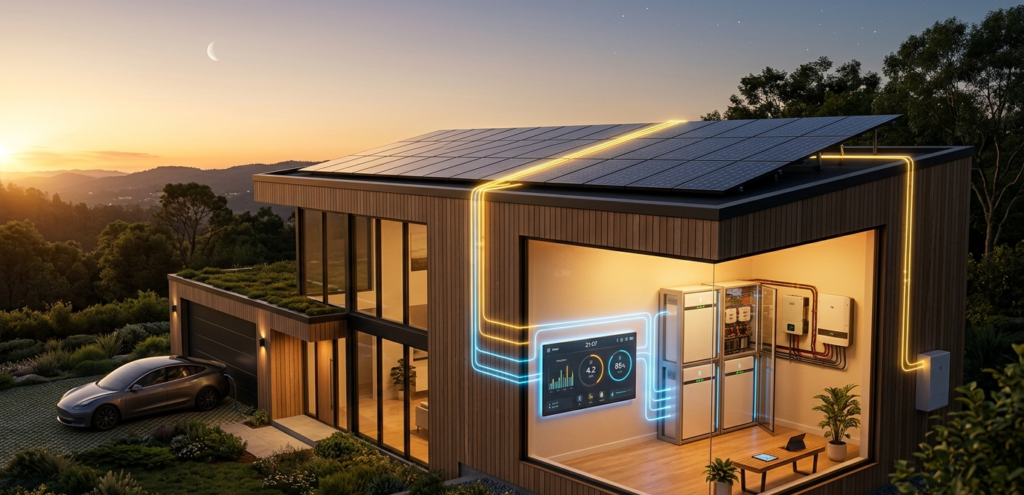
Battery systems store excess solar energy so it can be used later—usually in the evening when demand is higher.
In practical terms, this means:
Less reliance on the grid during peak times
Better use of the energy your system generates
More predictable savings over time
It also opens the door to smarter energy use, such as charging the battery on off-peak tariffs and using that energy when prices are higher.
Cost vs Benefit: A Balanced View
It’s important to be clear—solar and batteries are an investment, not a quick win.
What to realistically expect:
Payback periods can vary depending on usage and system size
Battery systems add cost but improve efficiency and control
Savings depend heavily on how the system is used, not just installed
The key is proper system design. Oversized or poorly configured systems often underperform, which is where professional installers make a real difference.
The Role of the Installer (Where It Actually Matters)
This is where many projects either succeed or fall short.
A good installer doesn’t just “fit panels”—they:
Assess how the property actually uses energy
Recommend system sizes that match real demand
Position panels for optimal generation (not just roof space)
Configure battery systems for practical use, not just specs
Ensure compliance with UK standards and funding requirements
In short, the installer determines whether the system works well in real life—not just on paper.
Common Mistakes to Avoid
From experience across the sector, a few issues come up repeatedly:
Installing solar without considering usage patterns
Adding batteries without clear financial or practical benefit
Poor placement of panels affecting performance
Lack of explanation to homeowners on how to use the system
Technology alone doesn’t deliver results—understanding and correct setup does.
Green City Services LTD: A Practical Approach
At Green City Services LTD, we focus on realistic, working solutions rather than overpromising outcomes.
Our approach is simple:
Design systems based on actual property needs
Be transparent about costs, savings, and limitations
Install to a high standard with full compliance
Support customers in understanding how to get the most from their system
Because a system only delivers value if it performs consistently over time.